The way formula has become so normal is a topic that’s worth discussing. Before I do though - I want to say that I know how emotive this topic is. My lens here is only on patterns, systems, and hegemony (the socially held “norms.”) I am not discussing formula itself as good / bad. (It’s a lifesaving product, actually.)
In the early 20th century, infant feeding became a medical project.
Precise volumes.
Feeding schedules.
Weight charts.
The breast, which was unreliable, unmeasurable, controlled by women, became a problem that needed to be solved.
(Remember the term “Medical Gaze” from my previous blog post - this is that.)
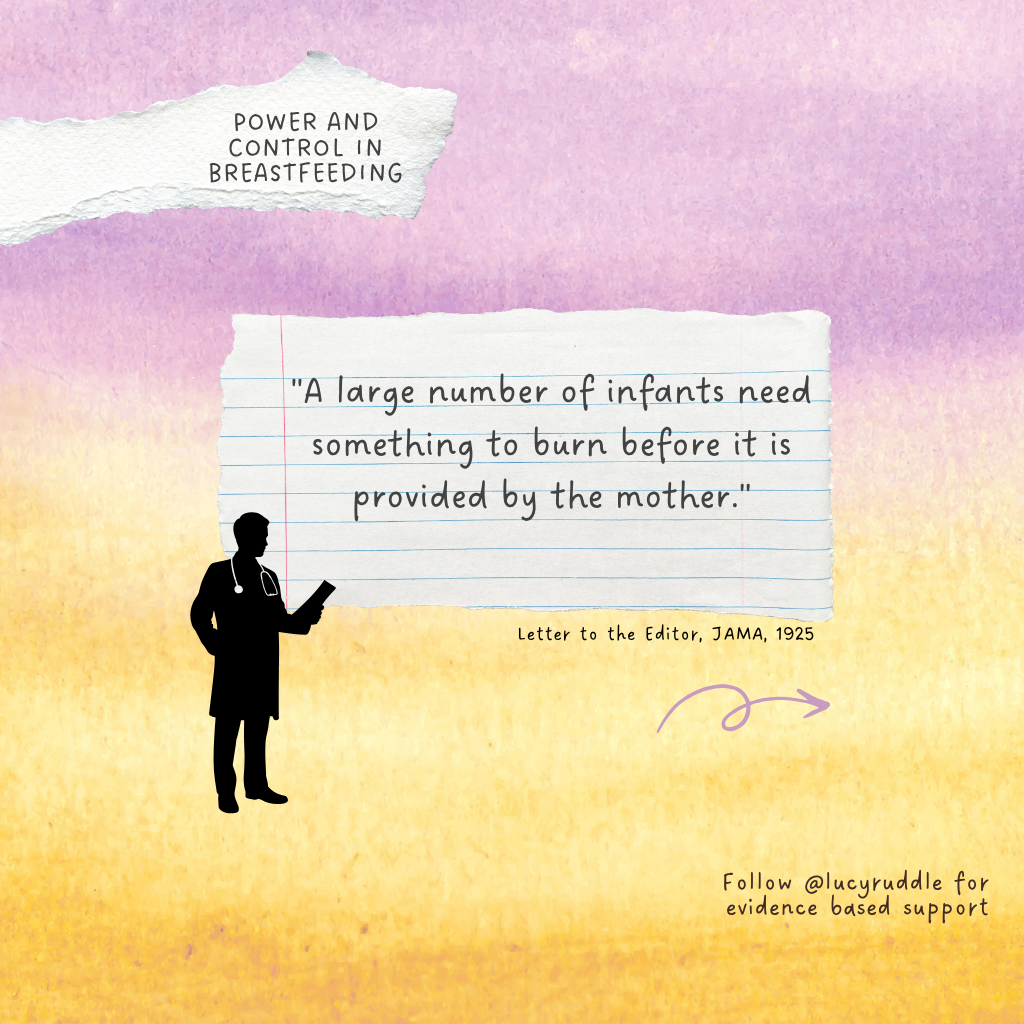
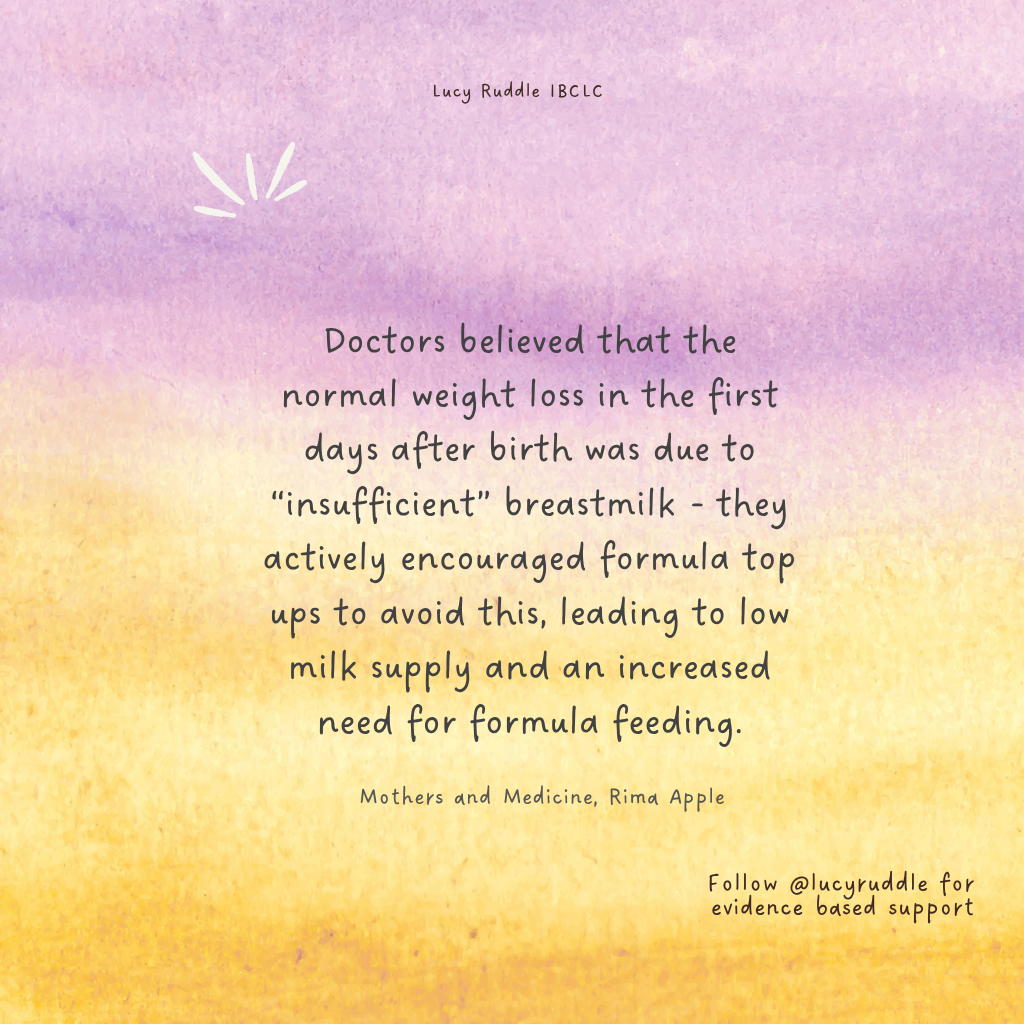
Formula was the solution medicine could prescribe, monitor, and adjust.
It came with instructions.
It could be measured.
It made sense to a medical system that was deeply uncomfortable with things it couldn't control and diagnose.
The formula industry, with a product to sell, deliberately positioned doctors as the experts of formula. Formula packaging in the early twentieth century contained no instructions but told you to consult your Doctor - an agreement that was made between doctors and the formula industry together. Even the name of the product - formula - was designed to appeal to doctors, who would then market it to mothers instead of working with them to address underlying problems where they existed, or to understand normal feeding behaviour.
In The Politics of Breastfeeding, Gabrielle Palmer sums all of this up, alongside describing the medical gaze perfectly when she says “For the Doctor to flourish, feeding did indeed need to be a problem, for if it were not, why should the Mother visit him?” (Page 219)
The Medical Gaze needed Doctors to be necessary - to be the experts. The formula industry needed to make profits. What the mothers wanted or how they felt wasn’t part of the equation.